
rHerd for Equine Professionals
You don’t just show up for horses — you step into systems that already exist.
Trainers, farriers, bodyworkers, veterinarians, and specialists do some of the most skilled and time-sensitive work in the barn. But too often, you’re working around scattered notes, secondhand updates, and decisions made without shared context.
rHerd is being built to support the whole barn ecosystem — including equine professionals — by improving how care, observations, and decisions are coordinated. Not by adding admin. Not by replacing relationships. But by making the information you need easier to access, share, and trust.
The Work Is Skilled. The Systems Are Not.
Most coordination challenges don’t start with you — but they land on you.
Equine professionals are often brought in midstream: after a change was made, after something didn’t quite work, or when a horse needs extra attention. The care may be excellent — but the context is fragmented.
What that looks like in practice:
– Updates passed verbally, secondhand, or too late
– Care notes living in notebooks, texts, or someone else’s memory
– Decisions made without a shared record of what’s been tried
– Follow-ups that rely on “I thought we were still doing…”
– Unclear billing responsibility or delayed payment due to miscommunication
– Extra time spent reconstructing history — or tracking down invoices — instead of doing your work
None of this is about effort or intention. It’s about coordination gaps — and they create friction for professionals who rely on clarity to do their best work.
rHerd isn’t about adding another system to manage. It’s about making existing care easier to coordinate.
We’re exploring ways rHerd could support equine professionals by improving visibility and shared context across the barn ecosystem — so the information you rely on is easier to access, and the work you do is easier to align.
That includes exploring:
– Shared visibility into recent care notes, changes, and observations
– Clearer documentation of services provided and when
– Fewer “I didn’t know that changed” moments across teams
– Better context for follow-ups without chasing updates
– Increased clarity around who’s involved, what’s been done, and what comes next
The goal isn’t to formalize your work — it’s to support it. More clarity. Less reconstruction. Fewer loose ends.
What rHerd Is Exploring
-
![]()
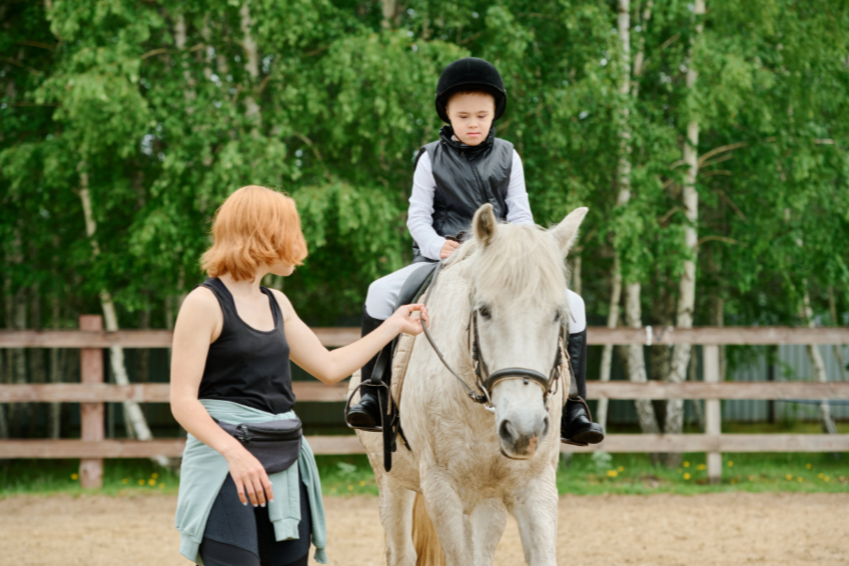
Trainers & Instructors
Trainers often act as the bridge between horses, owners, and daily care teams — especially when they’re not on site every day.
We’re exploring ways rHerd could support trainers by:-Making care notes and updates visible in one place
-Improving scheduling and cross-barn coordination
-Providing a single hub for communication
-Reducing repeated follow-ups
Goal: Clearer context for each horse — less mental load for trainers. -
![]()
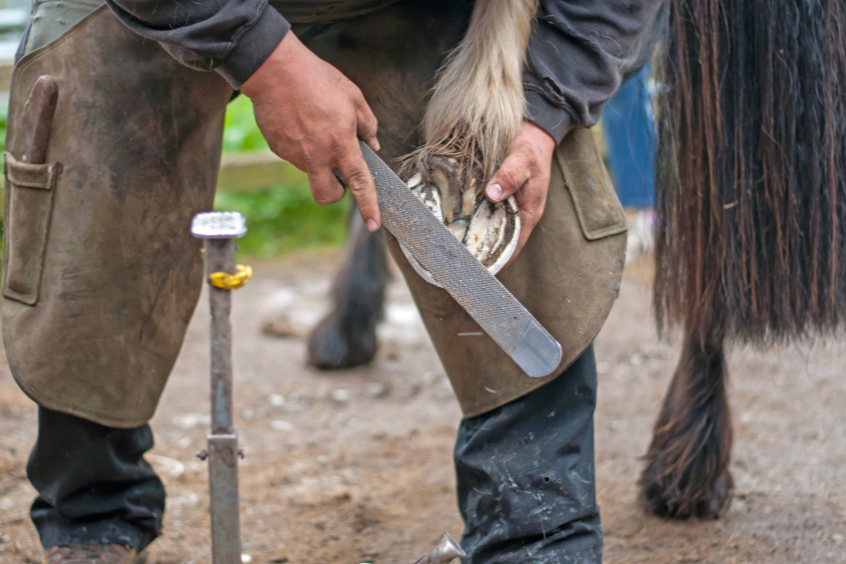
Farriers
Farriers rely on accurate history, clear communication, and timely coordination — often while moving quickly between barns.
We’re exploring ways rHerd could support farriers by:-Sharing recent care notes and observations
-Clarifying schedules and service cycles
-Coordinating billing and payment responsibilities
-Centralizing communication across barns
Goal: Arrive informed, work efficiently, leave fewer loose ends.
-
![]()
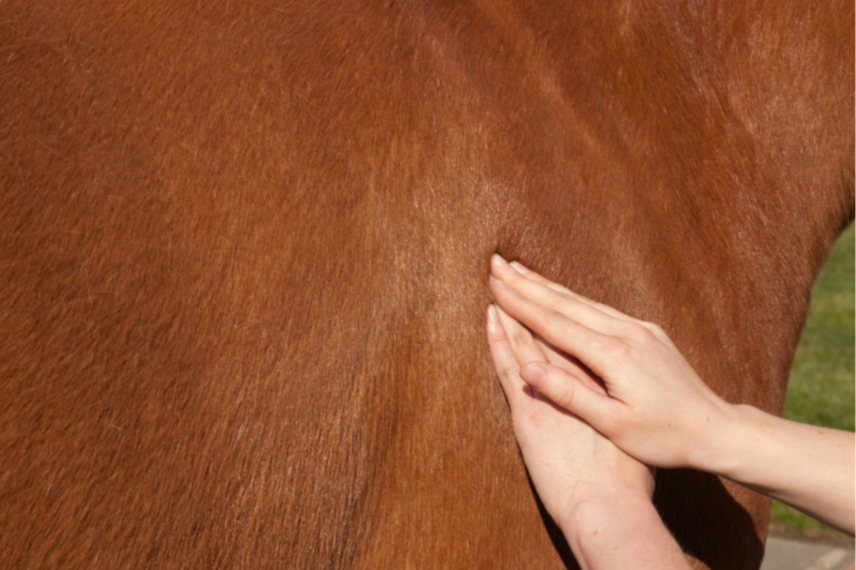
Bodyworkers
Bodyworkers often work from subtle patterns over time — patterns that are hard to track when information is scattered.
We’re exploring ways rHerd could support bodyworkers by:-Making recent treatments and observations visible
-Connecting session notes across teams
-Coordinating billing and communication
-Reducing repeated explanations
Goal: Maintain continuity of care without extra admin.
-
![]()
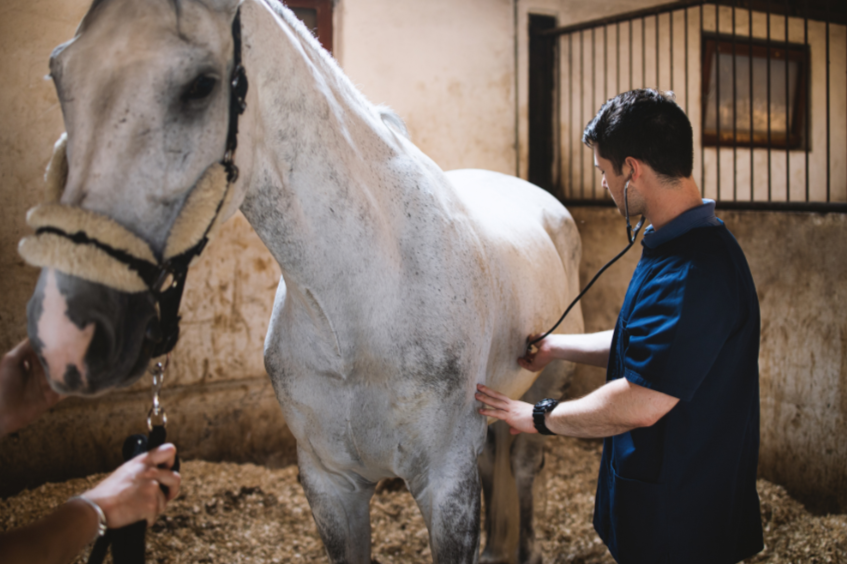
Veterinarians
Veterinarians step in when clarity matters most — and incomplete information can slow critical decisions.
We’re exploring ways rHerd could support vets by:-Providing shared treatment context and care history
-Reducing miscommunication during visits
-Coordinating billing and responsibilities
-Centralizing info across the care team
Goal: Informed, timely decisions supported by shared context.
-
![]()
Nutritionists & Feed Consultants
Nutritionists influence a horse’s health long before problems appear — but inconsistent communication can make follow-through difficult.
We’re exploring ways rHerd could support them by:
-Sharing daily feeding and supplement info
-Keeping nutrition plans visible across teams
-Coordinating billing and communication
-Reducing follow-ups and confusion
Goal: Ensure recommendations are followed, outcomes trackable, focus on horse health.
Want to Help Shape What Comes Next?
Choose the level of involvement that works best for you right now.
-
For barns that want early access and updates — without any extra commitment.
Early access as features roll out
Product updates and milestones
A front-row seat as rHerd grows
-
For barns who want to actively shape rHerd during early releases.
Pilot barns:
Get hands-on access to early features
Receive high-touch onboarding and support
Share real-world feedback that influences design
Are recognized as founding collaborators
-
For anyone who wants to help improve rHerd — even if they’re not ready to sign up yet.
Share what features matter most
Help us understand real barn workflows
Support tools that reduce burnout and improve care
Click here to take the feature survey (Anonymous. Takes about 5 minutes)